
Parent-Child Interaction Therapy, PCIT
Big feelings, trouble listening, tantrums, or daily power struggles can leave both children and parents feeling overwhelmed. Parent-Child Interaction Therapy, or PCIT, is an evidence-based therapy designed to help young children ages 2 to 7 and their caregivers build stronger relationships while learning practical tools for managing emotions and behaviors.
At A Helping Hand Counseling Center, we provide compassionate, family-centered PCIT services for families in St. Cloud, Kissimmee, Narcoossee, and surrounding Osceola County communities.
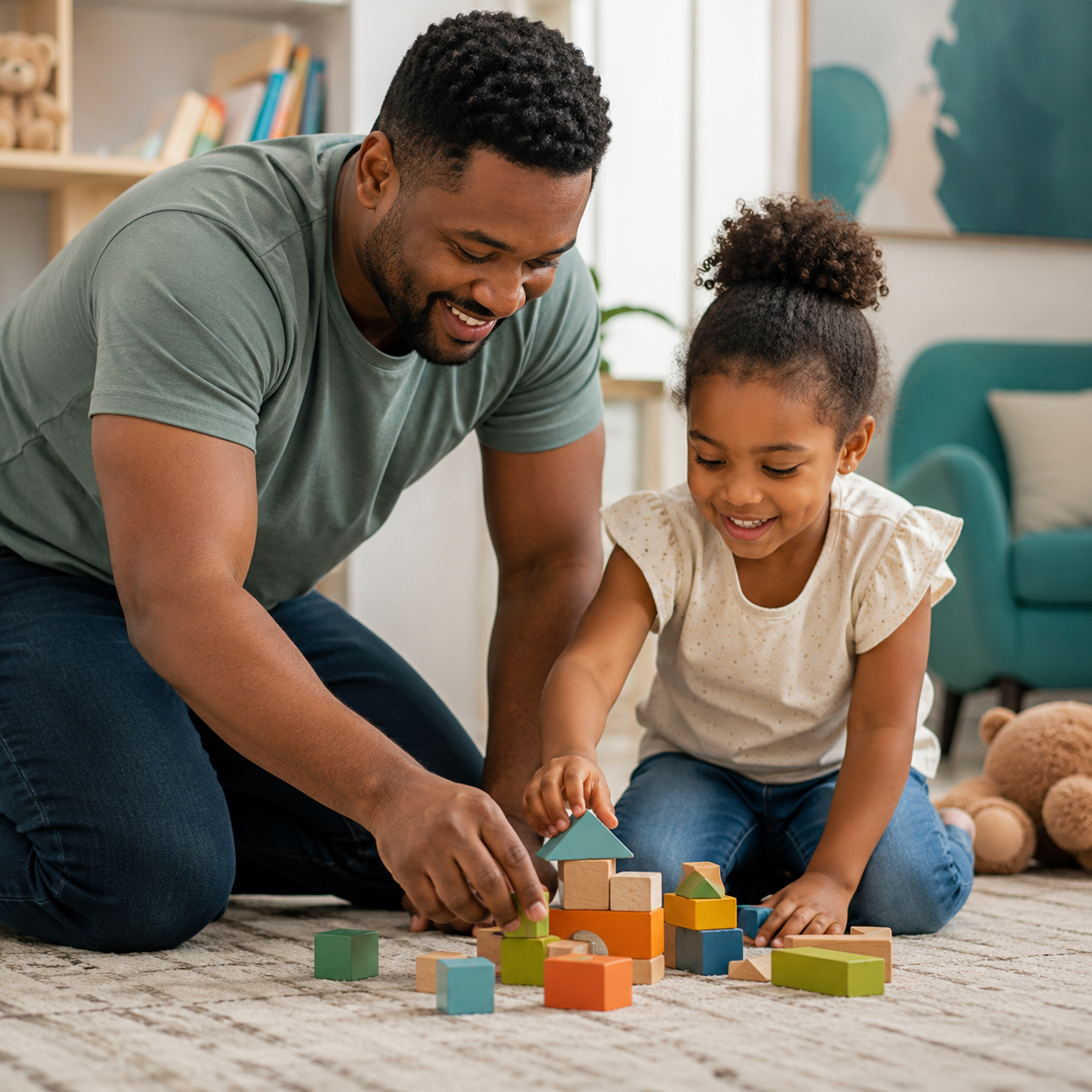
With the guidance of a trained therapist, parents and caregivers can strengthen their connection with their child, work through behavioral challenges, and develop healthier communication patterns. Therapists use play and parent coaching to help families practice skills in real time, making it easier to use these tools at home. This therapy helps children and caregivers:
Parent-Child Interaction Therapy is a research-backed treatment for young children who are struggling with behavioral concerns such as tantrums, defiance, aggression, and difficulty following directions. PCIT focuses on improving the parent-child relationship while helping caregivers learn consistent, effective strategies for supporting their child’s behavior.
Unlike traditional child therapy where the child may work mostly one-on-one with a therapist, PCIT includes the parent or caregiver as an active part of every session. This helps families practice skills in real time and use them at home in everyday situations.

Your PCIT sessions are focused on supporting both you and your child with practical tools, connection, and confidence.
PCIT takes place in a supportive, child-friendly space designed to help your child feel comfortable and secure. Sessions use play, connection, and guided interaction to help families practice new skills in a warm and encouraging environment.
Your therapist will create a safe space for your family while maintaining appropriate confidentiality. Parents and caregivers are active participants in PCIT, so your therapist will work with you throughout the process to support progress, answer questions, and guide skill-building.
Every child and family is unique, so PCIT is tailored to your child’s needs, your parenting goals, and the challenges you are experiencing at home. Your therapist will help identify strategies that support your child’s emotional and behavioral growth in a way that feels practical and realistic.
PCIT is a collaborative process. Parents and caregivers work closely with the therapist to learn, practice, and strengthen skills that can be used outside of sessions. This partnership helps create consistency between therapy and daily life at home.
PCIT is typically completed over a series of sessions, with frequency based on your child’s needs, family goals, and progress. Many families attend sessions weekly, and your therapist will help determine the best treatment plan during the initial consultation.


PCIT works best when parents and caregivers are actively involved, open to practice, and committed to using the skills both during sessions and at home.
Your involvement is essential to your child’s progress in PCIT. Parents and caregivers are part of each session and will be asked to practice skills with their child while receiving guidance and support from the therapist.
PCIT is a hands-on therapy, and progress often comes from practicing skills consistently. Your therapist may encourage you to use specific strategies at home between sessions so your child can experience the same support and structure in daily life.
Regular communication with the therapist is important. If you notice changes in your child’s behavior, emotions, routines, or interactions at home, sharing that information can help the therapist adjust the approach and better support your family’s goals.
Behavior change takes time, especially for young children who are still learning how to manage emotions, follow directions, and communicate their needs. Parents are encouraged to stay patient, consistent, and engaged throughout the process.
PCIT is most effective when skills are used both in sessions and at home. Attending scheduled sessions regularly and practicing the tools between appointments helps create steady progress and supports long-term change.

PCIT can be helpful when navigating:
Our therapists use evidence-based PCIT techniques that combine play-based interaction, live parent coaching, and behavior management strategies. We focus on helping parents and caregivers strengthen connection, build confidence, and respond to their child’s emotions and behaviors in calm, consistent, and supportive ways.
Unlike traditional child therapy where the child may work mostly one-on-one with a therapist, PCIT includes the parent or caregiver as an active part of every session. This helps families practice skills in real time and use them at home in everyday situations.
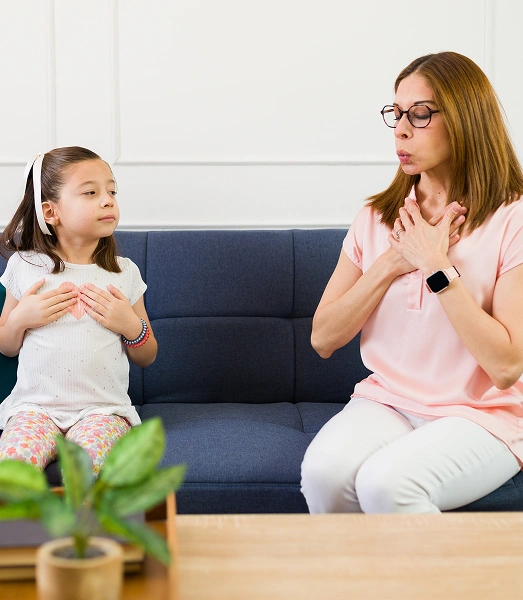
At AHHCC, located in St. Cloud, FL, our trained therapists use evidence-based Parent-Child Interaction Therapy techniques to help young children and caregivers strengthen their relationship, manage behavioral challenges, and build healthier communication patterns. We believe that parents and caregivers are an essential part of a child’s growth, and we are committed to providing a supportive, family-centered environment where both you and your child can feel encouraged and understood.
If you are interested in learning more about how PCIT can support your family, we invite you to contact us for a consultation. Together, we can help your child build confidence, improve emotional regulation, and develop the skills needed to grow, connect, and thrive.
Parent-Child Interaction Therapy, or PCIT, is an evidence-based therapy for young children and their parents or caregivers. It helps strengthen the parent-child relationship while teaching caregivers practical tools to manage challenging behaviors with confidence and consistency.
PCIT is typically designed for children ages 2 to 7. It is especially helpful for young children who are experiencing tantrums, defiance, emotional outbursts, aggression, or difficulty following directions.
PCIT may help with frequent tantrums, big emotions, defiance, aggression, difficulty listening, trouble following directions, parent-child conflict, and stressful daily routines such as bedtime, transitions, or mealtime.
Yes. Parents and caregivers are an essential part of PCIT. During sessions, you will learn and practice skills with your child while receiving support and guidance from the therapist.
PCIT is different because it focuses on both the child and the caregiver. Instead of the child meeting mostly one-on-one with a therapist, parents are actively involved and learn tools they can use at home every day.